
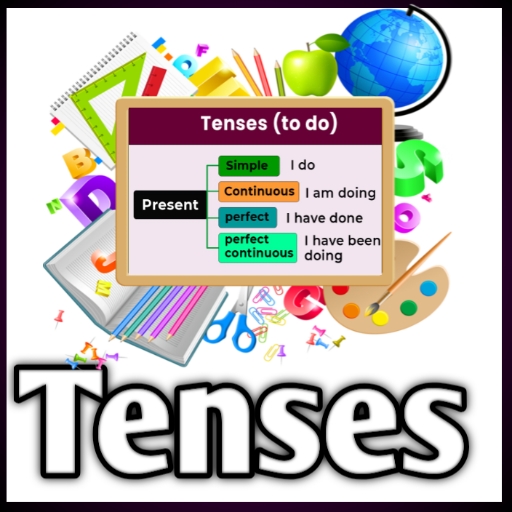
Why Do We Not Use Tenses While Speaking English?
Have you ever wondered why conversations in English sometimes seem to ignore strict grammar rules, especially when it comes to verb tenses? The title of this post might sound confusing because, of course, we do use tenses in English speech. But in casual, everyday speaking, native speakers often simplify tenses or rely on context rather than complex forms. Let’s explore why this happens and when tenses take a backseat in spoken English.
We Always Use Some Form of Tense—But It’s Often Simplified
English has only two true grammatical tenses: present (e.g., “I walk”) and past (e.g., “I walked”). Everything else—like future (“I will walk”) or perfect forms (“I have walked”)—comes from auxiliary verbs and aspects, not pure tense changes.
In spoken English, native speakers prioritize clear communication over perfect grammar. Studies and frequency analyses show that over 90% of everyday speech uses just a few basic forms:
- Present simple (around 50-60% of verbs in conversation)
- Past simple
- Present continuous
- Present perfect
- Future with “will” or “going to”
Complex tenses like future perfect continuous (“I will have been working”) are rare in speech—they’re mostly for formal writing.
Context and Time Words Do the Heavy Lifting
Often, we “skip” explicit tense changes because words like “yesterday,” “tomorrow,” “now,” or “last week” make the timing clear. For example:
- “Yesterday I go to the store” – A non-native might say this, but natives would correct to “went.” Still, if you say “I go to the store yesterday,” most people understand from “yesterday” that it’s past.
- In fast speech: “Last year, we move to a new house.” (Instead of “moved.”) Context saves the day!
This reliance on adverbs and shared knowledge means we don’t always need perfect tense forms to be understood.
Informal Speech Is Flexible and Fast
When talking casually, native speakers bend rules for speed and natural flow:
- Using present tense for storytelling (historical present): “So I’m walking down the street, and this guy comes up to me…” (Makes the story vivid.)
- Simplifying perfect tenses: Instead of “I had been waiting for hours,” we might say “I was waiting forever.”
- Dialect variations: In some informal English (e.g., AAVE or regional dialects), tenses are used differently, like habitual “be” or dropped endings.
Native speakers intuitively know what “sounds right” without thinking about rules. Mistakes happen (even natives mix tenses sometimes), but context fixes them.
Spoken vs. Written English: A Big Difference
In writing, especially formal, we use all 12 “tenses” precisely. In speech? Not so much. Conversation is quick, interrupted, and full of gestures/body language. Clarity comes from tone, repetition, and shared understanding—not flawless grammar.
Conclusion: Tenses Matter, But Communication Matters More
We do use tenses in spoken English—they’re essential for nuance. But we often “not use” complex or strict ones because simple forms + context get the job done. If you’re learning English, focus on the common ones first. Practice speaking without overthinking, and you’ll sound more natural!
What do you think? Do you notice tense simplifications in English media or conversations? Share in the comments!